

Although awareness of certain tick-borne diseases has increased over the years, many people are unfamiliar with the full variety of illnesses that can be transmitted to humans by these arachnids (like scorpions, spiders, and mites) or the symptoms often associated with each. The first steps on the road to successful treatment are knowing where tick-borne diseases can be contracted, what symptoms to look for, and what to do if you suspect that you may be infected. Regardless of age or level of health, anyone can contract a tick-borne disease. The following is a brief description of the most common diseases spread by ticks, symptoms of these diseases, and possible treatment paths.
Lyme disease is the most common and well-known tick-borne illness. When a tick bites, the Lyme bacteria transfers through the bite into the bloodstream. Although Lyme disease can be transmitted by ticks of any size or maturity, immature ticks (also called nymphs) are typically the primary transmitters of the disease, because they are small and more likely to go unnoticed by their host.
Common Symptoms
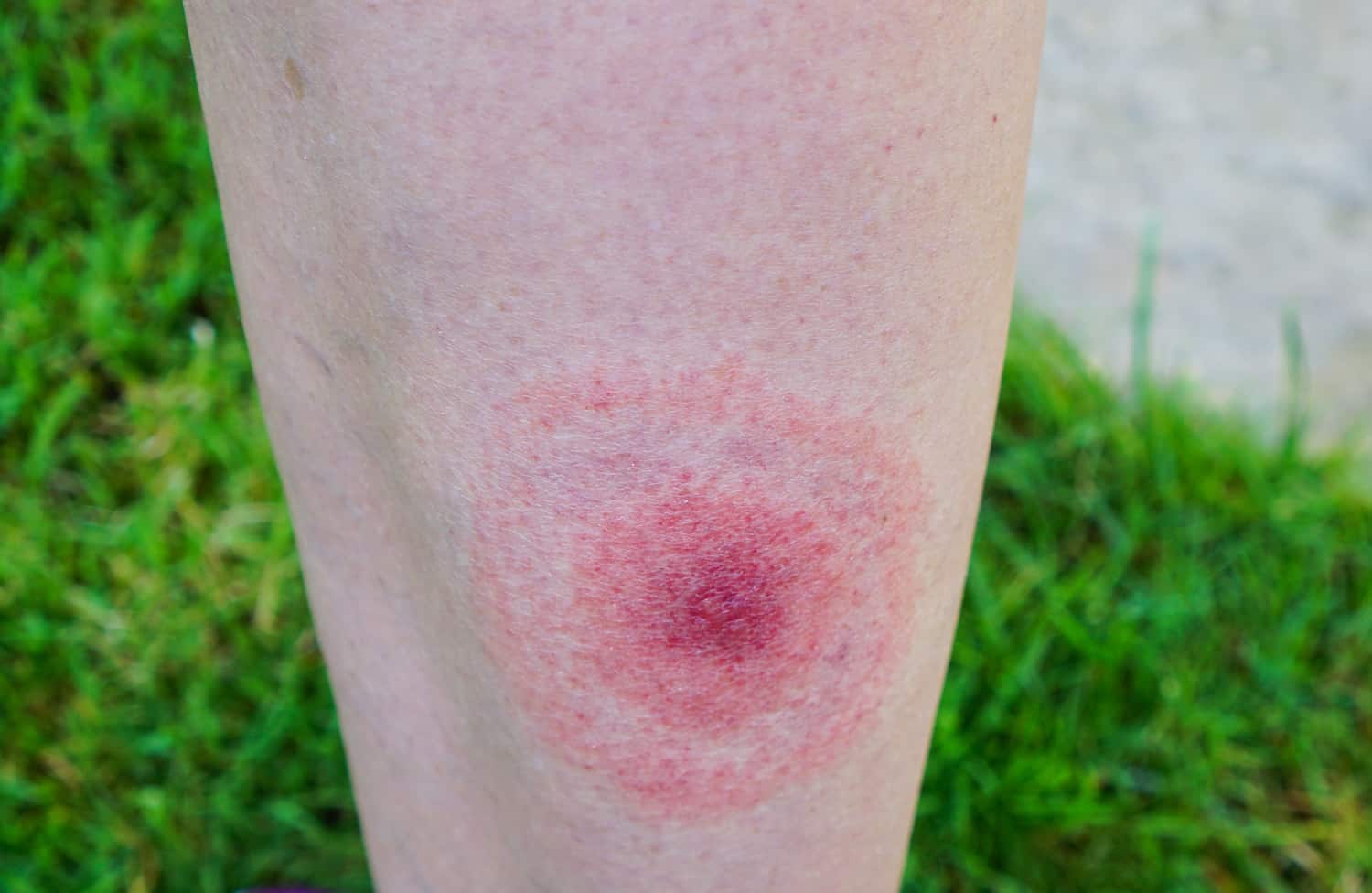
A red rash frequently appears at the site of the tick bite, but not always. If a rash does develop, it may form a pattern that resembles a bulls-eye or target commonly referred to as an erythema migrans rash. However, don’t rule out Lyme disease if you don’t see this because only one-third of patients will develop a rash.
Often called “the great imitator,” Lyme disease can present a variety of symptoms that resemble those of other illnesses, including chronic fatigue, rheumatoid arthritis, multiple sclerosis, Parkinson’s disease, amyotrophic lateral sclerosis (ALS), depression, and Alzheimer’s disease. This makes it particularly hard to diagnose. Early on, many patients experience common flu-like symptoms, which may include the following:
- Fever
- Chills
- Body aches
- Fatigue
- Headaches
- A stiff neck
Diagnosis
Doctors can use antibody blood tests to help confirm a diagnosis if Lyme disease is suspected, but a negative test result doesn’t necessarily mean you aren’t infected. It may simply mean that antibodies have not yet had time to develop. In these cases, DNA detection testing should be considered. Some patients may continue to experience some symptoms even after treatment and may require longer-term treatment. If Lyme disease remains untreated, the bacteria may begin to spread and affect multiple areas of the body, including the nervous system, joints, eyes, brain, and heart.
Tick-borne relapsing fever (TBRF) is an infectious disease that shares some similarities to Lyme disease. TBRF is caused by a group of Borrelia bacteria that is closely related to B. burgdorferi, which causes Lyme disease. However,
the two groups of bacteria are very distinct and are transmitted by completely different types of ticks. Borrelia burgdorferi is transmitted by “hard ticks”—specifically, the black-legged tick (Ixodes scapularis), sometimes referred to as a deer tick, or the related Western black-legged tick (I. pacificus), which has a hard outer shield or back plate called a “scutum.”
By contrast, relapsing-fever Borrelia is transmitted by certain species of “soft ticks”—a different family of ticks that do not have a scutum but instead have more rounded bodies. However, recently B.miyamotoi, which falls in the TBRF group, has been found in Lyme endemic areas being transmitted by hard ticks.
Common Symptoms
Both Lyme disease and TBRF have similar initial flu-like symptoms; however, TBRF symptoms typically follow a very specific pattern that involves the onset of a high fever lasting three to five days, followed by a brief recovery of approximately seven days, followed by another three days of fever. Without treatment, this sequence can repeat several times. Additional symptoms to watch for include the following:
- Headache
- Muscle and joint aches
- Chills
- Nausea and vomiting
- Abdominal pain
- Dry cough
- Diarrhea
- Light sensitivity
- Neck pain
Diagnosis and Treatment
Similarly to Lyme disease, TBRF can be diagnosed with a blood test and treated with antibiotics. In a little more than half of all TBRF cases((https://www.ncbi.nlm.nih.gov/pmc/articles/PMC3725823/)), patients develop a reaction to the drugs, called a Jarisch–Herxheimer reaction. According to the National Center for Biotechnology Information, this reaction results in an acute exacerbation of a patient’s symptoms following the initial treatment of TBRF with an effective antibiotic.
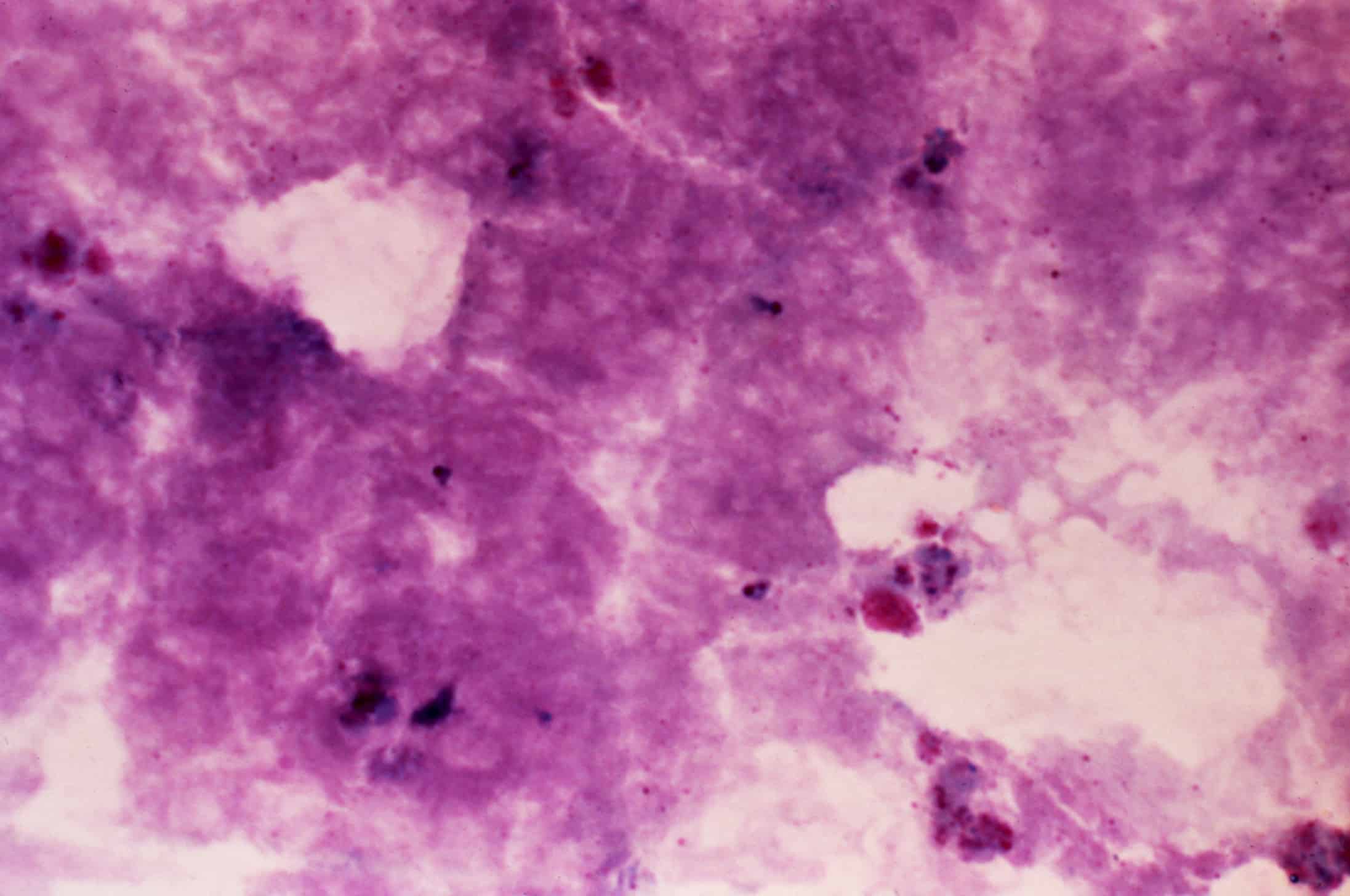
Image Source:Dr.George Healy https://phil.cdc.gov/Details.aspx?pid=3899Babesiosis is the second most common tick-borne disease in North America((Homer, Mary J., Irma Aguilar-Delfin, Sam R. Telford, Peter J. Krause, and David H. Persing. “Babesiosis.” Clinical Microbiology Reviews 13, no. 3 (July 1, 2000): 451–69. doi:10.1128/CMR.13.3.451-469.2000.)) ((Noskoviak, Kyle, and Elizabeth Broome. “Babesiosis.” New England Journal of Medicine 358, no. 17 (April 24, 2008): e19. doi:10.1056/NEJMicm070903.)) ((Prevention, CDC—Centers for Disease Control and Prevention. “CDC—Babesiosis. https://www.cdc.gov/parasites/babesiosis/index.html)).Like Lyme disease, it is most often spread by ticks in the nymphic stage of development. However, unlike Lyme disease, which is a bacterial infection, babesiosis is a parasitic infection.The two types of parasites that transmit the disease are Babesia microti, which is most commonly found in the Midwest and Northeast regions of the United States, and B. duncani, which is typically found in the Western United States, although it has recently been found on the East Coast as well. Once a host is infected, the parasites multiply within red blood cells. As they develop, they form a cross inside the cell—a distinctive pattern that helps doctors differentiate babesiosis from malaria.Common SymptomsStudies show that 25 to 50 percent of all infected individuals do not show symptoms. Although babesiosis can cause death, the most common symptoms include the following:
- Weakness
- Fatigue
- Fevers
- Jaundice
- Hemoglobinuria (ruptured red blood cells, frequently causing pink urine)
- Anemia
Possible Treatment
Treatment of babesiosis typically involves a 14-day course of antibiotics. It can take longer if a patient is immunosuppressed or has a coinfection such as Lyme disease. Following treatment, most patients’ red blood cell
levels return to normal
Bartonellosis is an infectious disease caused by the Bartonella bacteria. It targets endothelial cells, which are found within vein walls. Nineteen different species of the Bartonella bacteria exist, but only seven can be transferred
to humans.
Common Symptoms
Bartonella bacteria can cause a wide range of symptoms, depending on the strain of Bartonella contracted. Two of the most well-known diseases caused by Bartonella are cat-scratch disease (B. henselae) and trench fever (B. quintana). Symptoms of cat scratch disease are enlarged lymph nodes and puss at the infection site. Trench fever typically leads to bouts of fever that can last from two to six weeks.
Possible Treatment
Doctors use antibiotics to treat bartonellosis, but the type of drug and course duration depend on the specific strain of Bartonella bacteria found. Because some strains can lead to chronic health issues, it is important to see your healthcare provider as quickly as possible if you start feeling ill after a tick bite.
Ehrlichiosis is an infection of the white blood cells caused by the Ehrlichia bacteria. Five species of Ehrlichia bacteria can infect humans; E. chaffeensis and E. ewingi are the most common. Infections can occur year round, but most cases of ehrlichiosis are reported at the peak of tick season.
Common Symptoms
Similar to Lyme disease, ehrlichiosis can be easily confused with other infections, including the flu. Common symptoms include the following:
- Fever
- Headaches
- Nausea
- Vomiting
- Cough
Possible Treatment
Infections caused by the Ehrlichia bacteria are typically treated with antibiotics. If treated effectively, chances are excellent for full recovery. However, as with all tick-borne illnesses, it is important to consult your healthcare provider as soon as possible if you have been bitten by a tick and notice symptoms that could indicate ehrlichiosis.
Another disease commonly associated with ehrlichiosis is anaplasmosis, which is a tick-borne disease caused by the bacterium Anaplasma phagocytophilum. Previously known as human granulocytic ehrlichiosis (HGE) is now known as human granulocytic anaplasmosis (HGA), this disease is primarily transmitted through the bite of black-legged ticks (Ixodes scapularis) or the related Western black-legged ticks (I. pacificus).
Common Symptoms
Anaplasmosis has symptoms similar to those of ehrlichiosis, and it typically occurs within one to two weeks following an infectious tick bite. A rash can sometimes develop, but it is rare and may indicate a coinfection with another tick-borne illness such as Lyme disease. Common symptoms include the following:
- Fever
- Headache
- Chills
- Nausea
- Cough
- Muscle aches and pain
Possible Treatment
Doxycycline, a specific type of antibiotic, is recommended by the Centers for Disease Control and Prevention (CDC) as the first-line treatment for both adults and children of all ages who are diagnosed with anaplasmosis. If treated with doxycycline or other tetracyclines within the first five days of disease onset, a patient’s fever subsides within one to three days.
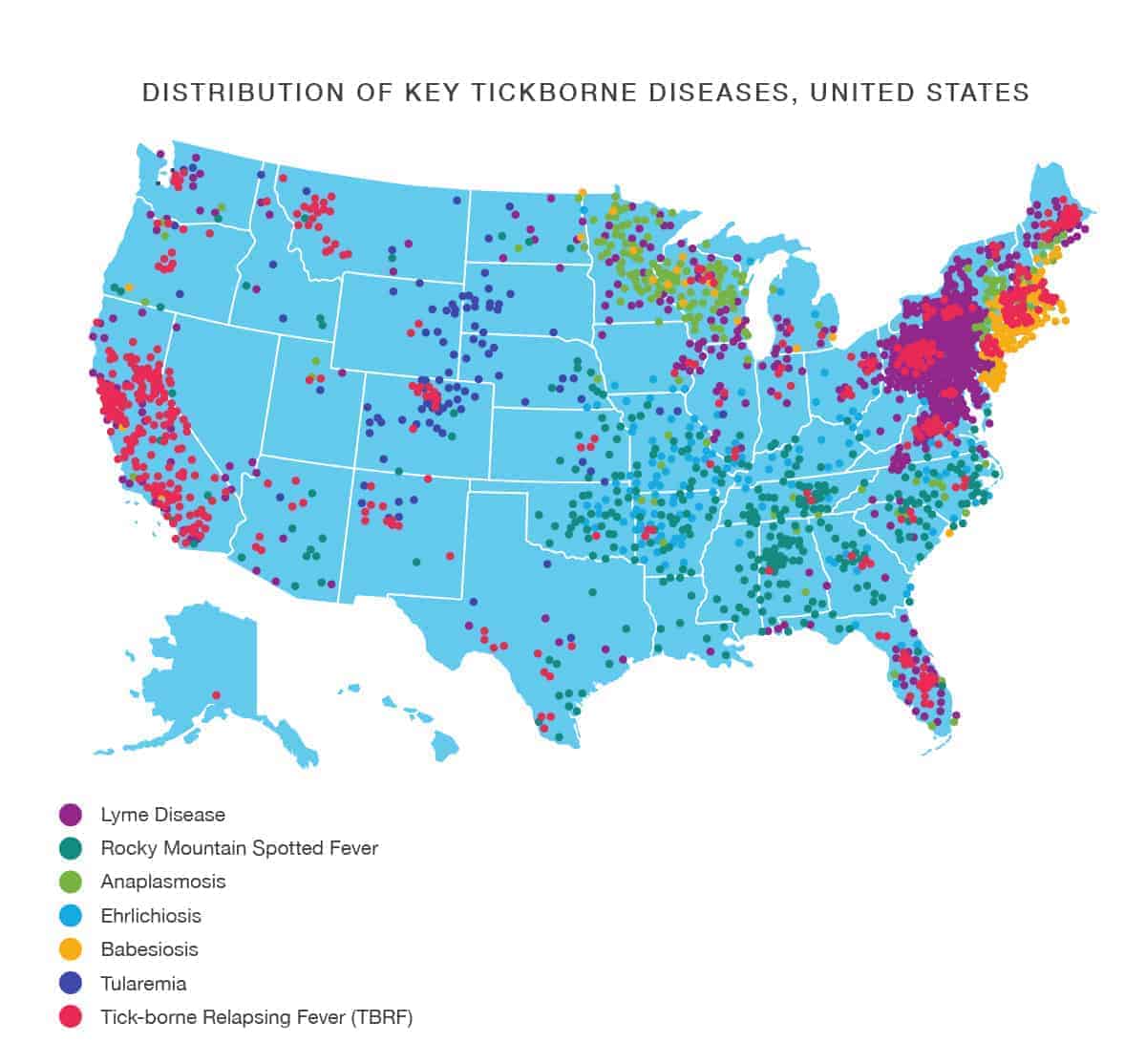
According to the CDC ((Chan, Yvonne G.Y., Marissa M. Cardwell, Timothy M. Hermanas, Tsuneo Uchiyama, and Juan J. Martinez. “Rickettsial Outer-Membrane Protein B (ROmpB) Mediates Bacterial Invasion through Ku70 in an Actin, c-Cbl, Clathrin and Caveolin 2-Dependent Manner.” Cellular Microbiology 11, no. 4 (April 1, 2009): 629–44. doi:10.1111/j.1462-5822.2008.01279.x.)) ((Choi, Y.J., W.J. Jang, J.J. Kim, et al. “Spotted Fever Group and Typhus Group Rickettsioses in Humans, South Korea.” Emerging Infectious Disease Journal—CDC, Volume 11, no. 2 (February 2005). doi:10.3201/eid1102.040603.)), rickettsiosis is most prevalent in the Southeast United States, with the number of reported cases diminishing the farther away one gets from this region.
It is now reported to have spread as far north as New Jersey and southwest Connecticut. This bacterial infection has two main branches: typhus and spotted fever. Within the spotted fever branch, Rocky Mountain spotted fever is the best known and most deadly form of rickettsiosis.
The bacterium initially lives within a single cell of the person it infects; but as it grows, it pushes out from the center, rupturing the cell wall and entering the cell next to it. In effect, the bacteria kill the cells as they outgrow them. Rickettsiosis will continue this pattern while it travels toward the skin, heart, and brain.
Common Symptoms
Because there are so many different species of rickettsiosis, symptoms can be hard to narrow down to any single list. However, early indicators of the disease often include the following:
-
- Flu-like symptoms, such as fever, chills, headache, nausea, and vomiting
- Spotted rashes
- Confusion
Possible Treatment
In the past, rickettsiosis was fatal for up to 30 percent of those infected. However, new, more effective treatments have since decreased that percentage significantly, so that today just 3 to 5 percent of infections result in death. But this is still a very serious disease that no one should take lightly. Treatment is often immediate and aggressive, involving strong antibiotics and close, continuous monitoring of symptoms. Keep in mind that Rocky Mountain spotted fever and rickettsiosis are different than Colorado tick fever.
Colorado tick fever is a viral infection that currently has no treatment; however, most patients find that standard, over-the-counter medications help mediate symptoms as the body fights the infection. Although the risk for tick-borne diseases varies from state to state in this country, everyone who spends time outdoors and is exposed to ticks can benefit from greater awareness of these illnesses. If you suspect that you or anyone you know may be infected with a tick-borne disease, contact your healthcare provider immediately.
Additional Resources
- https://www.cdc.gov/relapsing-fever/resources/15_260166_FS_APerea.pdf
- https://www.cdc.gov/relapsing-fever/clinicians/index.html
- https://www.ncbi.nlm.nih.gov/pmc/articles/PMC3725823/
- https://www.cdc.gov/anaplasmosis/symptoms/index.html